What is Soil Biodiversity and Why Does It Matter?
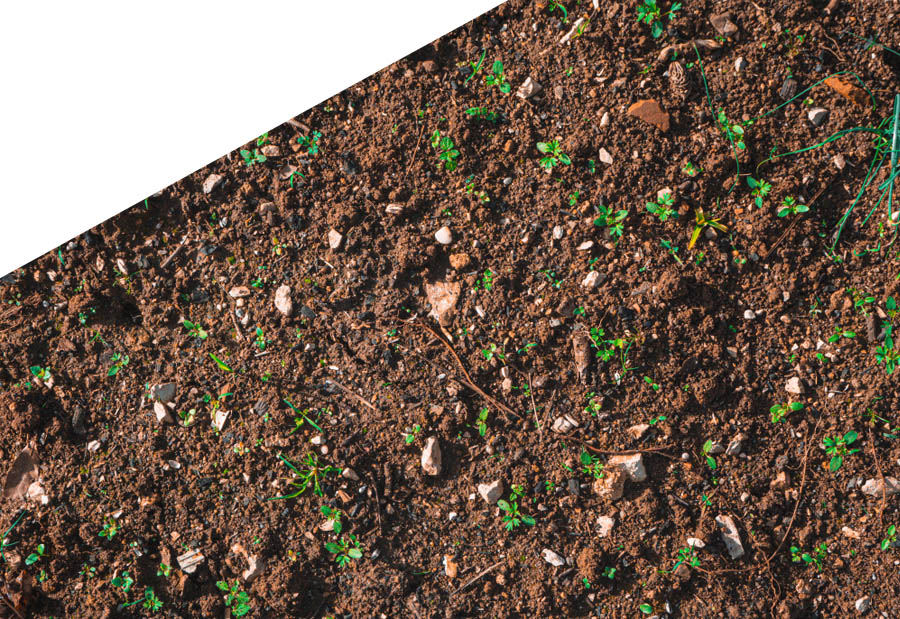
Soil is often thought of merely as a medium where plants grow. However, a single handful of soil contains billions of microorganisms and a wide variety of living organisms. Bacteria, fungi, protozoa, nematodes, insects, and many other organisms work together to form a complex web of life that determines how soil functions. This diversity is referred to as “soil biodiversity.”
Soil biodiversity is one of the most critical yet least visible processes for ecosystem sustainability. Organisms living in the soil regulate nutrient cycles, decompose organic matter, and help make essential nutrients available to plants. Therefore, soil biodiversity plays a fundamental role not only in agricultural production but also in the health of natural ecosystems.
What Does Soil Biodiversity Mean?
Soil biodiversity refers to the variety of all living organisms within the soil and the interactions between them. Most of these organisms are microscopic and cannot be seen with the naked eye. However, their numbers and impact are substantial.
Soil bacteria and fungi play a key role in the decomposition of organic matter. Through this process, nutrients such as nitrogen, phosphorus, and other essential elements become available for plant uptake. Nematodes and protozoa feed on microorganisms, regulating different stages of the nutrient cycle. Larger organisms, such as earthworms and certain insect species, improve soil structure and contribute to aeration.
Together, these organisms help maintain soil fertility, balance, and productivity.
How Does Soil Biodiversity Affect Ecosystems?
Soil biodiversity influences not only life within the soil but also entire ecosystems. Healthy soil structure supports plant growth, enhances water retention, and reduces erosion.
Microorganisms in the soil interact directly with plant roots. Some bacteria fix nitrogen into forms usable by plants, while certain fungi form symbiotic relationships with roots, improving water and nutrient uptake. These interactions directly affect plant health and productivity.
In ecosystems with high soil biodiversity, plants tend to be more resilient to stress conditions. In cases such as drought, diseases, or environmental changes, this diversity increases the ecosystem’s ability to recover.
The Importance of Soil Biodiversity for Agriculture
Agricultural systems largely depend on the biological structure of the soil. Microorganisms living in the soil support plant nutrient uptake and help maintain productivity. For this reason, preserving soil biodiversity is essential for sustainable agriculture.
Intensive farming practices, improper fertilization, and excessive use of chemicals can reduce soil biodiversity over time. This disrupts ecosystem balance and lowers crop productivity.
On the other hand, practices that support soil biodiversity can lead to healthier and more resilient production systems. Methods that increase organic matter, crop rotation, and no-till farming are among the key approaches that protect soil health.
How Can We Observe Soil Biodiversity?
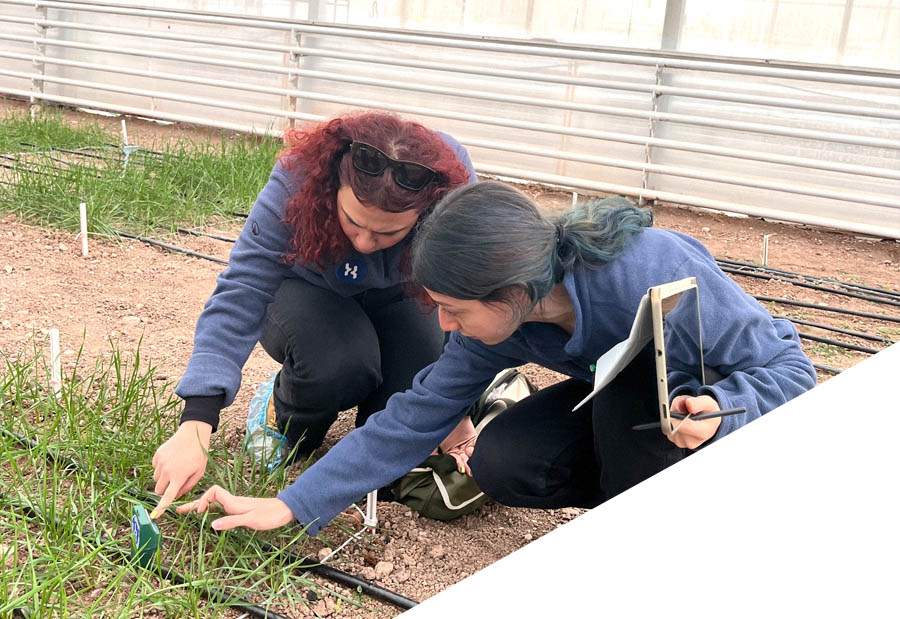
Most organisms living in the soil cannot be seen with the naked eye. Therefore, scientific analysis methods are required to understand soil biodiversity. Traditional approaches are often based on laboratory cultures, but recent advances in molecular techniques allow for much more detailed analysis of soil biology.
Methods such as environmental DNA (eDNA) analysis can reveal the diversity of organisms within an ecosystem by examining genetic material extracted from soil samples. These techniques provide valuable insights into the state of soil ecosystems and enable effective monitoring of changes over time.