
Soil is a living system
that determines production.
Production Cannot Be Managed Without Measuring Soil Health.
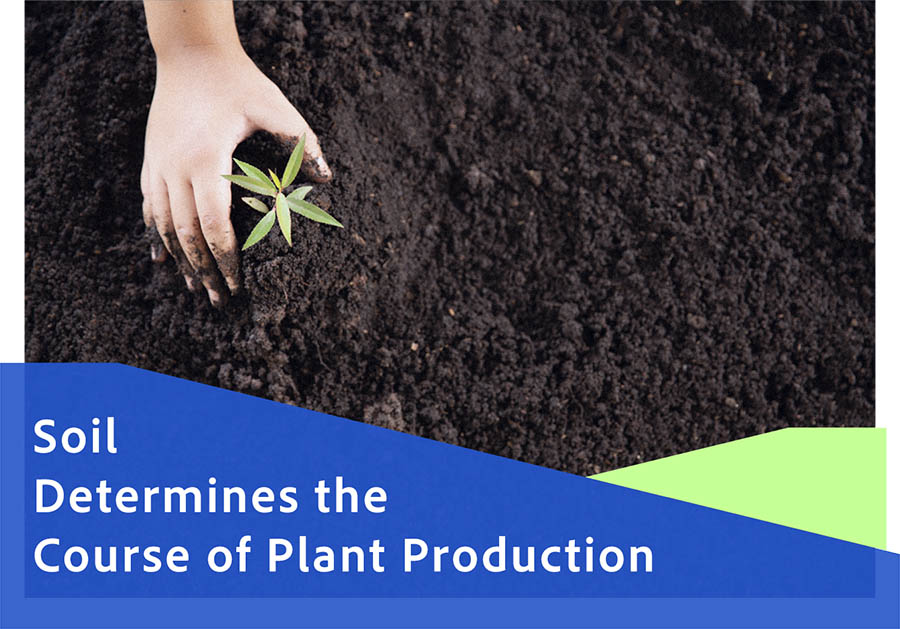
Soil Determines the Course of Plant Production
Soil is not a passive surface that plants grow on. Its physical structure, chemical balance, and biological capacity work together to shape the production process. Plant growth, yield, and quality are direct outcomes of this integrated system. We refer to this whole as soil health.
SoilBiom examines soil not through isolated measurements, but by evaluating physical, chemical, and biological data together. Soil quality, nutrient status, disease pressure, and plant resilience are interpreted within this framework and consolidated into a Soil Health Report.
The result is a clear, practical overview that serves as a reliable basis for decisions made in the field.
Any practice applied without measuring soil health remains incomplete.
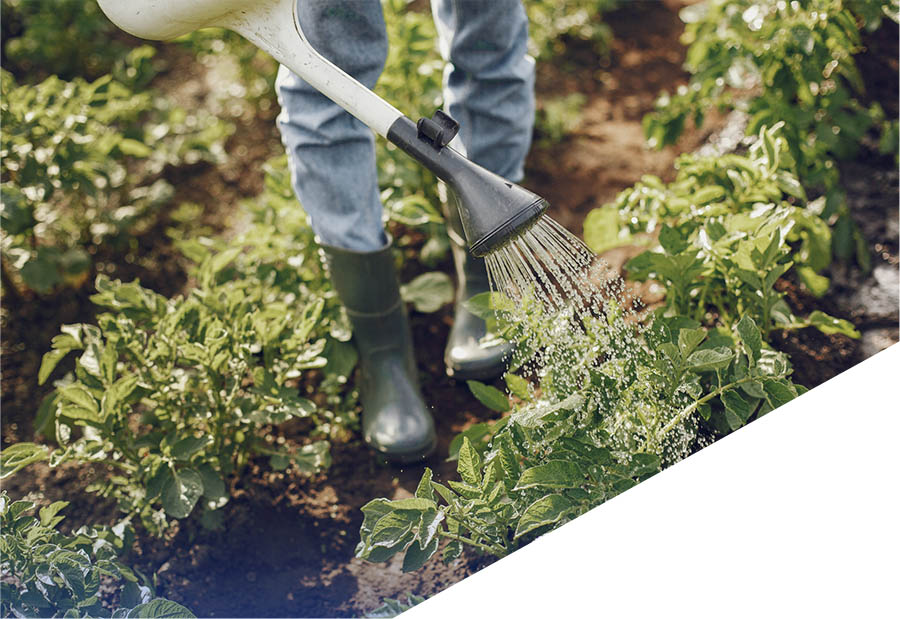
Why It Matter?
– Identify nutrient imbalances early to plan fertilizer use more accurately.
– Detect disease risks before crop losses occur.
– Strengthen soil water retention by monitoring organic matter and biological activity.
– Keep costs under control by reducing unnecessary input use.
– Receive clear, comparable, and reliable soil health reports every season.
– Evaluate the impact of your practices in the field based on data, not assumptions.
Where It Is Applied:
– Pre-planting soil assessments
– Post-harvest performance analyses
– Decision-making for transitioning to sustainable or biodynamic practices in the next season
– Crop rotation planning based on biological capacity
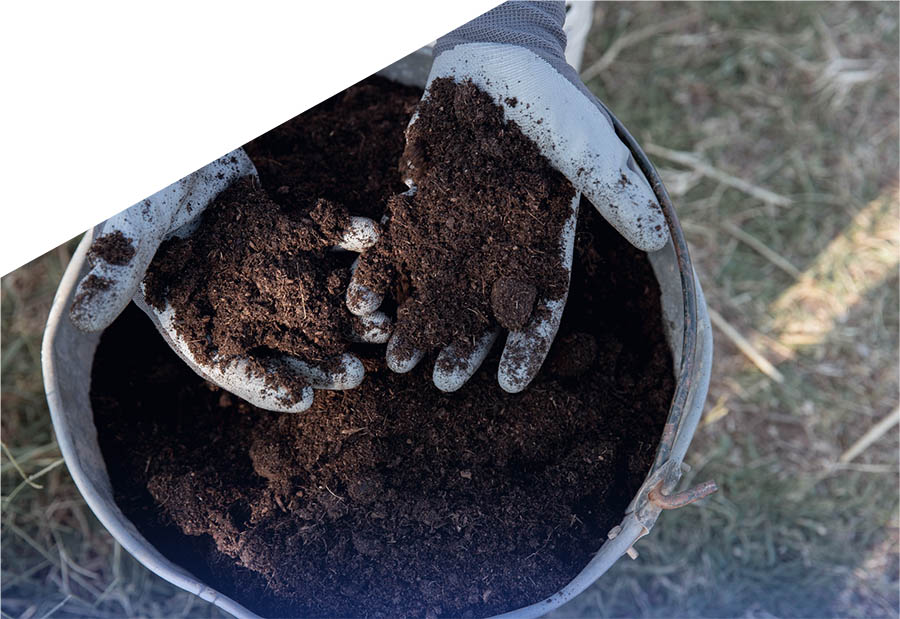
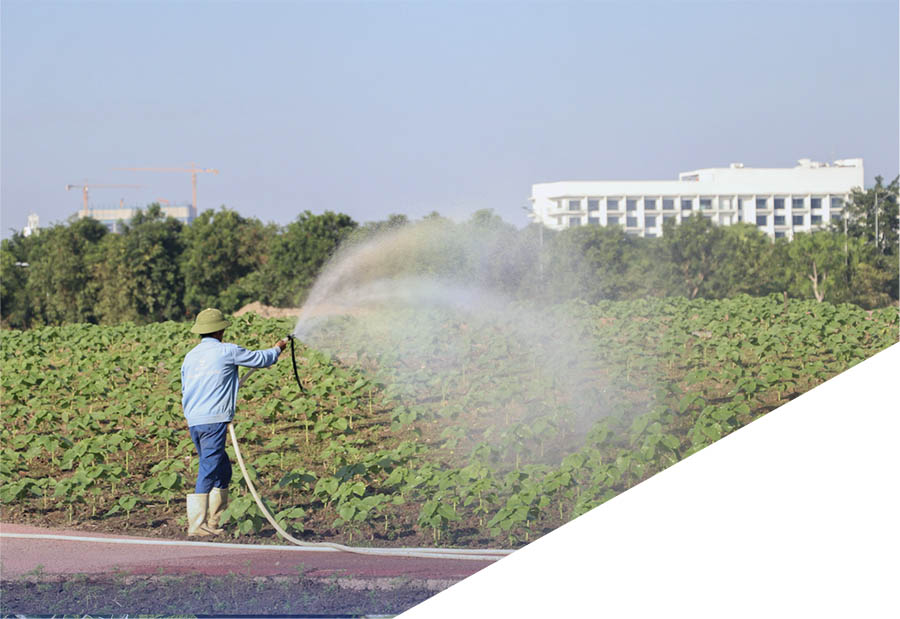
Why It Matter?
– Monitor soil quality across different production sites within a consistent framework.
– Make biological factors influencing yield, Brix levels, and plant health visible.
– Develop strategies to reduce reliance on chemical inputs using microbial data.
– Support sustainable supply chain practices with measurable data.
– Generate traceable field data for precision agriculture protocols.
– Assess the impact of your products and practices on soil health.
Where It Is Applied:
– Monitoring of contract farming areas
– Planning of agricultural practices and product strategies
– Sustainability and impact reporting
– Technical documentation for customers and distributors
– Product trials and demonstration fields
Why It Matter?
– Measure the impact of your operations or projects on soil health.
– Build a data infrastructure aligned with ESG and regenerative agriculture criteria.
– Base soil health and biodiversity restoration strategies on biological indicators.
– Ground sustainability efforts in local environmental data.
– Support farmer programs, NGO projects, and academic studies with scientific insight.
Where It Is Applied:
– ESG and impact reports
– Field projects focused on agriculture and ecology
– Academic research programs (TÜBİTAK, Horizon, FAO, etc.)
– Long-term land monitoring within biodiversity and carbon protocols
– Thesis projects, publications, and interdisciplinary research collaborations


Soil Sampling
Soil samples are collected from the field using a standardized sampling kit and guidelines, then submitted for analysis.

Physical, Chemical, and Biological Analyses
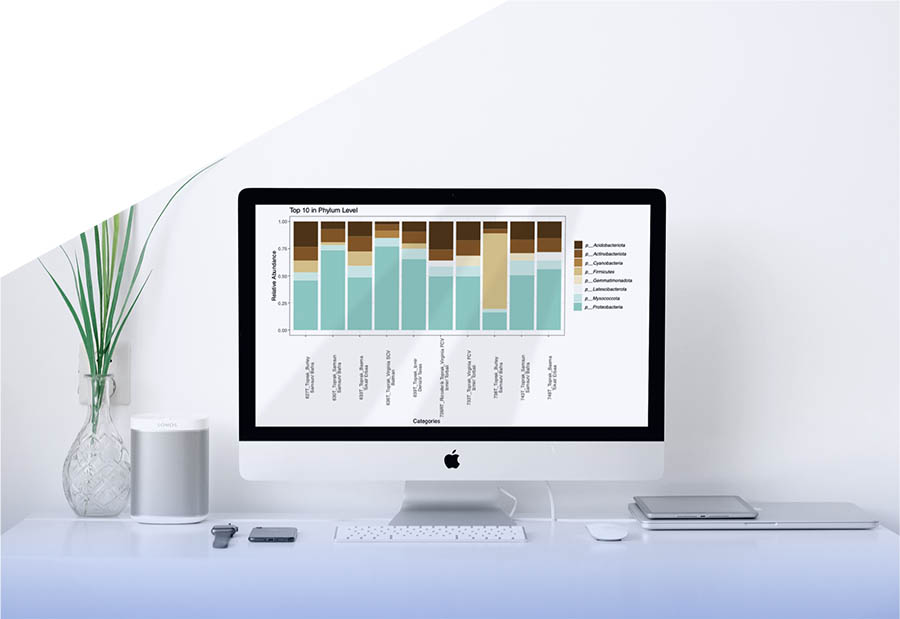
Soil structure, nutrient profiles, and biological indicators are evaluated together. Microbial diversity is analyzed using DNA-based methods.

Integrated Data Interpretation
Biological data are evaluated alongside environmental and chemical data, clarifying the soil’s biological capacity and potential risk areas.
Soil Health Report
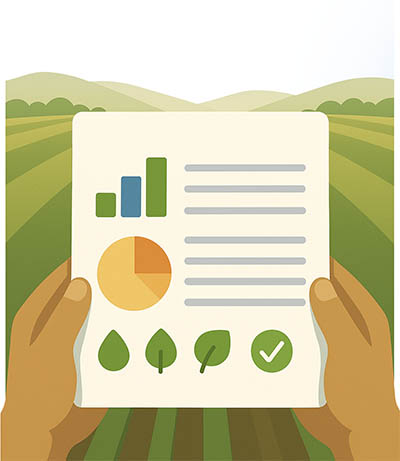
A comprehensive SoilBiom Soil Health Report is delivered, featuring visual outputs, indices, and actionable assessments.
Soil Health Report
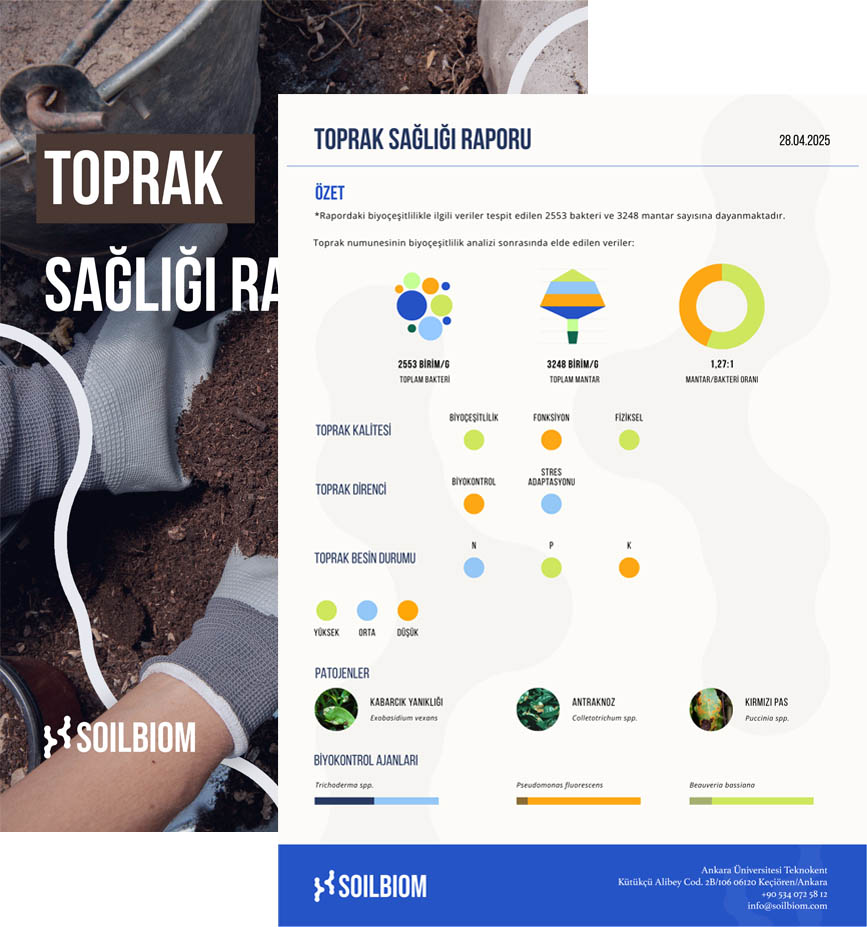
Soil samples collected from the field are evaluated across physical, chemical, and biological parameters.
The report reveals soil biodiversity, nutrient balance, disease risks, and overall health indicators. This allows producers to clearly understand current conditions before the season begins and plan their practices accordingly.
The digital report is delivered within 4–8 weeks following sampling.
View a Sample Soil Health Report
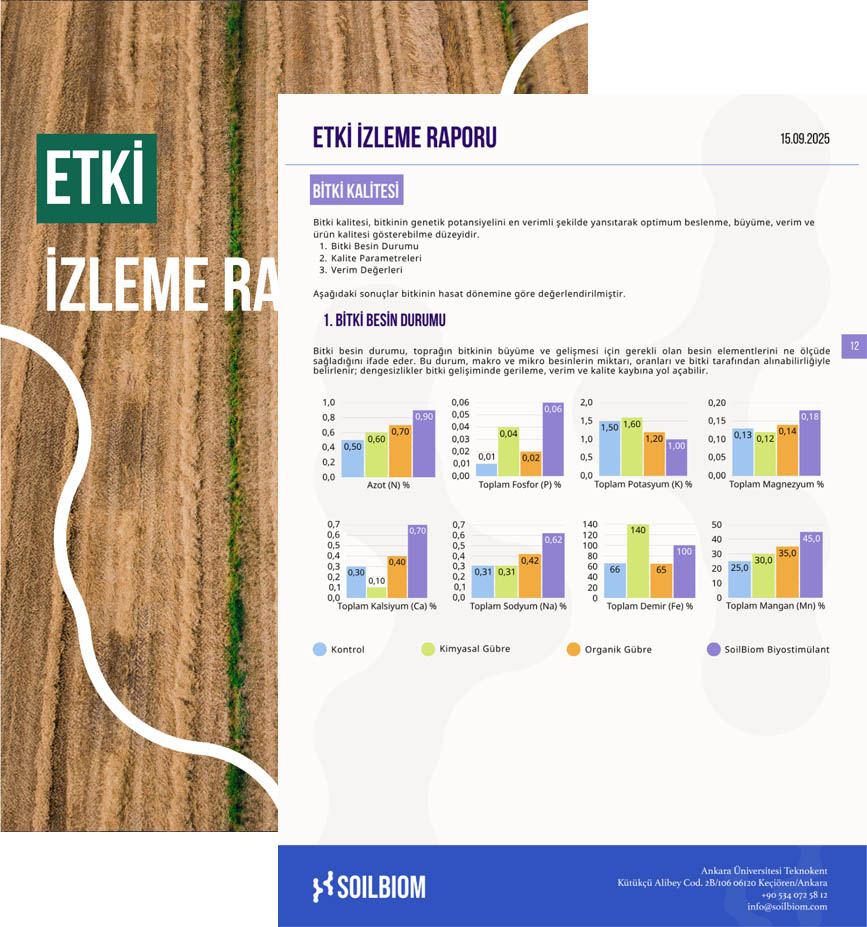
Impact Monitoring Report
The field-level impact of practices such as fertilization, crop protection, soil tillage, and crop rotation is monitored scientifically. Changes in soil and plant health are evaluated comparatively using chemical and biological data.
This makes the actual outcomes of applied practices visible and supports sustainable production goals with measurable evidence.
The digital final report is delivered within 8–12 weeks after the harvest period.
View a Sample Impact Monitoring Report
Growing Community

“In the past, we relied entirely on observation when working our land. We never knew exactly how much fertilizer to apply or whether we were using too much or too little. After SoilBiom’s analysis, everything became clear. Now we know what to do and when to do it. This year, we achieved better yield and quality from our wheat. Our costs decreased, and our soil remained healthy. For farmers working in arid regions like ours, this has made a significant difference.”
Ahmet Ç. / Şereflikoçhisar, Wheat Farmer

For cooperatives, processors, and food producers, SoilBiom provides science-based soil diagnostics and crop-specific biological inputs. This approach enhances product quality, reduces chemical dependency, and supports traceability and sustainability goals.
“The SoilBiom team is young, dynamic, and consistently committed to scientific integrity while striving for continuous improvement. Beyond analytical work, their dedication to field operations and product supply makes a meaningful contribution to the successful implementation of planned projects. Their academic and international experience in R&D directly strengthens their vision. I hope they continue to grow organically without losing this dynamic spirit and achieve even greater success.”
Gökberk T., Land Implementation Program Coordinator, Anadolu Meraları

By working closely with companies, we strengthen agricultural value chains through biodiversity monitoring, soil restoration strategies, and data-driven ESG reporting. From carbon reduction to regenerative sourcing, SoilBiom delivers impact at scale.
“Working with SoilBiom has moved us from commitments to measurable environmental progress.”
Alper Y., General Manager, BAT Türkiye, Bulgaria and Northern Cyprus
Which farmers can benefit from SoilBiom’s services?
All farmers who aim to better understand their soil and improve production processes through data-driven insights can benefit from SoilBiom’s services. We provide solutions for fruit, vegetable, grain, and medicinal or aromatic plant production.
Our services are designed to analyze soil health, assess microbial composition, and support agricultural production with scientific data across conventional, organic, and biodynamic farming systems.
Is special equipment required to collect a soil sample?
No. The sampling kit we provide includes all necessary equipment along with a step-by-step guide. No additional technical knowledge or specialized equipment is required; following the instructions in the guide is sufficient.
Can SoilBiom help reduce fertilizer costs?
Yes. By analyzing soil microbial health and nutrient dynamics, we help you apply the right inputs at the right time. This approach prevents unnecessary applications, reduces dependency on chemical inputs, and enables better cost management. It also supports long-term productivity.
Can I benefit from SoilBiom’s services if I practice organic farming?
Yes. Our services are fully compatible with organic and biodynamic farming systems. By analyzing soil biology and microbial composition, we help you make informed and targeted decisions without relying on chemical inputs.
We also support farmers transitioning from conventional to organic production by providing data-driven assessments of soil conditions, enabling a more controlled and strategic transition process.
How quickly can I see results after implementing your recommendations?
Some effects, such as improved plant vigor and root development, can be observed within a few weeks. However, longer-term changes in soil structure and microbial balance may take several months, depending on soil type, climate conditions, and the crop being grown.
Sustainable improvements in soil health develop progressively through consistent application and monitoring.
Does SoilBiom replace traditional (chemical) soil tests?
No. SoilBiom analyses do not replace traditional chemical soil tests; they complement them. While conventional tests focus on physical properties and chemical nutrient levels, SoilBiom evaluates the biological structure and functional capacity of the soil.
A comprehensive understanding of soil health requires integrating both chemical and biological analyses.
If I already have a traditional (chemical) soil test, why should I use SoilBiom?
Traditional soil tests measure nutrient levels but do not reveal how efficiently those nutrients are utilized by plants or how biologically active and resilient the soil is.
SoilBiom analyses evaluate microbial communities and biological functions, providing insight into both current capacity and future production potential. Microorganisms convert nutrients into forms that plants can absorb more effectively. By assessing biological processes, SoilBiom helps identify nutrient cycling efficiency, stress tolerance, and potential disease risks at an earlier stage.
How can I benefit from SoilBiom’s services?
You can contact us through our website or send an email to info@soilbiom.com. Our team will guide you step by step through the sampling process and recommend the analysis and service package best suited to your soil’s needs.
What type of report will I receive from SoilBiom?
The detailed Soil Health Report includes the following components:
- Soil biological diversity (fungal and bacterial communities)
- Soil enzyme and hormone activity
- Soil physical structure
- Microorganisms involved in water cycling
- Soil oxygen capacity
- Potential soil-borne pathogens
- Biocontrol potential
- Soil chemical status
- Climate and weather data
- Microorganisms contributing to stress tolerance
- Macro and micronutrient levels
- Microorganisms involved in nutrient cycling
Each report is prepared in a visual and practical format tailored to real field conditions.
How are SoilBiom’s recommendations tailored to my field or orchard?
We evaluate your soil’s biological and chemical structure together with environmental factors such as crop type, region, and sampling period. Based on this analysis, we provide recommendations tailored to your field conditions and production goals.
These recommendations may include microbial product selection, nutrient and irrigation management practices, as well as monitoring and follow-up strategies aligned with your objectives.
How do you assess soil health in your reports?
We evaluate soil health based on biological diversity, functional capacity, and physical structure. We also assess soil and plant resilience, including biocontrol potential and stress adaptation, together with nutrient status to provide a comprehensive analysis.
This approach aims to reveal not only the current condition of the soil but also the underlying processes that influence production performance.
Do I need an expert to interpret my SoilBiom report?
No. Each section of our reports includes clear explanations, and the recommendations are written in a way that producers can easily understand.
If needed, we can review the results together and provide guidance during the implementation process.
Can I track changes in my soil over time?
Yes. Through periodically repeated analyses, you can monitor how your practices affect soil health over time.
You can compare changes in microbial balance, shifts in risk levels, and improvements in soil resilience using consistent data sets.
Can I compare results between different fields or sampling periods?
Yes. Our system allows you to compare results across different plots, seasons, and management practices.
This enables you to identify which practices are more effective and adjust your management decisions based on data.
What practical applications result from the Soil Health Report?
The SoilBiom Soil Health Report provides guidance on:
- Planning fertilization programs more efficiently
- Selecting appropriate microbial products and practices
- Identifying plant disease risks at an early stage
- Optimizing the timing of crop protection practices
- Reducing unnecessary chemical inputs
Strengthening long-term soil productivity and sustainability
Does SoilBiom measure nutrients such as N, P, K or organic matter?
Yes. We analyze chemical parameters such as N, P, K, organic matter, pH, lime content, salinity, EC, water holding capacity, and macro and micronutrients. These results are evaluated together with biological indicators to provide comprehensive reports.
This approach allows you to assess both the chemical and biological condition of your soil.
Can fertilizer companies partner with SoilBiom?
Yes. We collaborate with fertilizer manufacturers who aim to integrate microbial solutions into their product portfolios. By combining SoilBiom’s analytical and assessment capabilities with your production and distribution capacity, we can develop new microbial products.
We also offer field-based testing and validation of the biological effects of your existing products. This enables you to demonstrate product performance with data and refine your formulations accordingly.
What do agricultural companies gain by working with you?
SoilBiom provides scientific insights and practical support to agricultural companies in the following areas:
- Increasing input use efficiency
- Strengthening traceability in production processes
- Reducing environmental impact
- Supporting ESG and sustainability strategies
We do not only generate data; we translate it into actionable solutions for the field.
Do you co-develop custom microbial products with partners?
Yes. We identify region- and crop-specific microbial strains and test them under laboratory and field conditions. Based on the results, we design new formulations together with our partners and conduct joint development projects.
This process ensures that product performance is validated both scientifically and under real field conditions.
Can SoilBiom data be integrated into ESG or traceability reports?
Yes. Our reports include biological, chemical, and ecological indicators aligned with major ESG frameworks. These data sets can be used to monitor sustainability targets, measure environmental performance, and enhance supply chain transparency.
Our data are structured to support corporate reporting and audit processes.
How does SoilBiom support sustainable sourcing strategies?
By analyzing soil health at the field level, we support companies in:
- Monitoring the ecological impact of their supply chains
- Contributing to the restoration of degraded lands
- Reducing dependency on chemical inputs
- Developing regenerative agriculture models within supply chains
This approach strengthens both environmental and commercial value simultaneously.
How can we start a partnership with you?
You can contact us at info@soilbiom.com.
Let us know the area you would like to collaborate on and your objectives. We can then evaluate together how SoilBiom’s services can support your goals.